Decoding Saffron Risotto: The Story Behind the World's Most Prized Spice
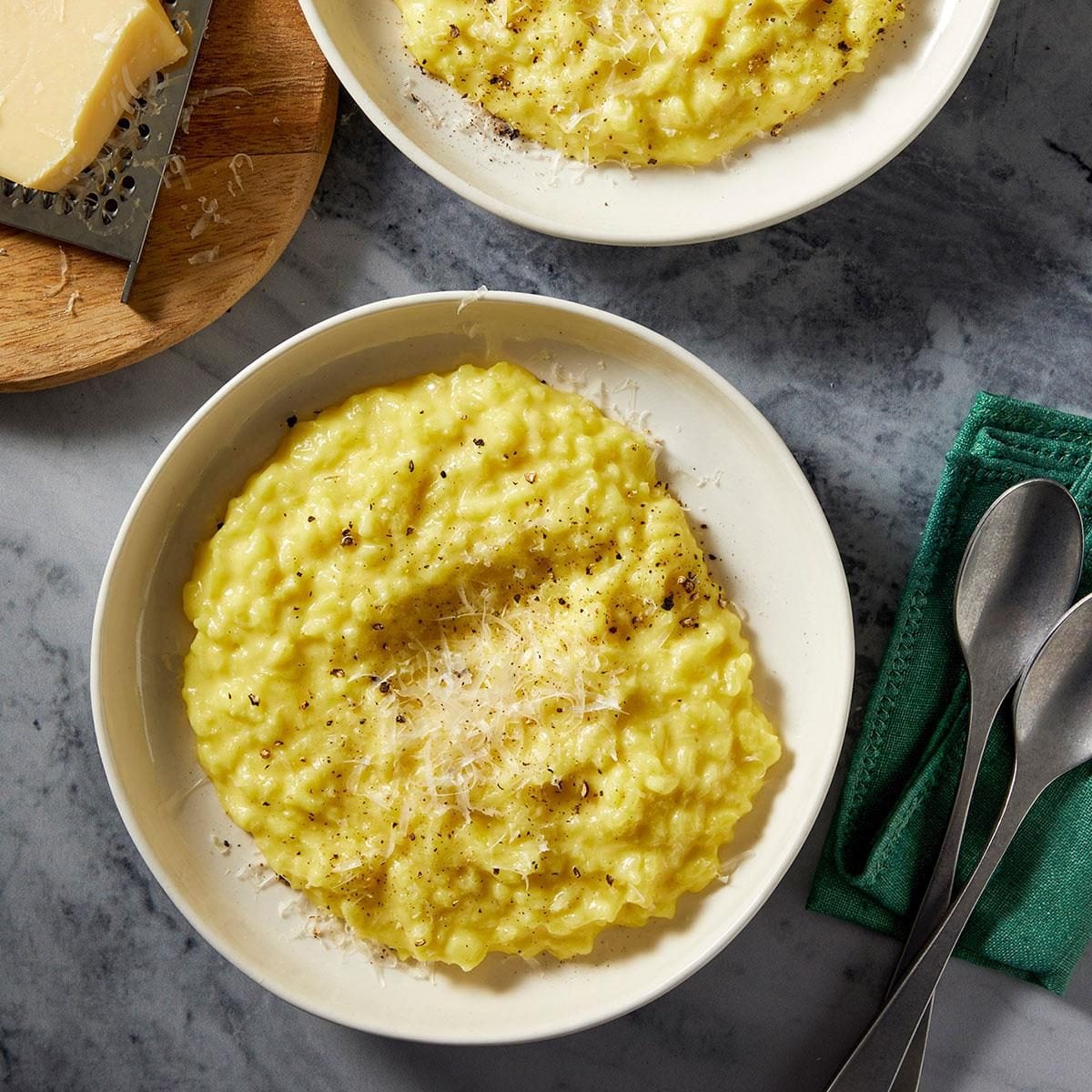
Few dishes command attention quite like saffron risotto. Its vibrant, golden hue, luxurious creamy texture, and uniquely aromatic flavour hint at something truly special. For many, the mere mention of saffron brings to mind its notorious price tag, a memory often forged in childhood wonder at a spice aisle. Yet, as adults, we come to understand that this 'splurge-worthy' ingredient is not just about cost; it's about an unparalleled sensory experience, especially when transformed into the quintessential Italian classic, saffron risotto.
This article delves into the fascinating world of saffron, uncovering why it holds the title of the world's most prized spice, and how it elevates a simple rice dish into an extraordinary culinary masterpiece. We'll explore its origins, the secrets behind its exquisite taste, and practical tips to help you craft an authentic saffron risotto that will impress even the most discerning palates.
The Golden Threads: Unveiling the Mystique of Saffron
Before we immerse ourselves in the creamy depths of saffron risotto, let's first appreciate the star of the show: saffron itself. This highly coveted spice is not simply plucked from a plant; it's meticulously harvested from the delicate, dried stigmas of the Crocus sativus flower. These slender, crimson threads are the very essence of luxury, imparting a magnificent golden-yellow colour, alongside a distinctive flavour profile that masterfully blends earthy notes with subtle hints of honey, hay, and a unique floral sweetness.
What makes saffron so incredibly expensive? The answer lies in its incredibly labour-intensive harvesting process. Each crocus flower yields a mere three stigmas, which must be carefully hand-picked on the day the flower blooms. An enormous number of flowers – often tens of thousands – are required to produce even a single ounce of dried saffron threads. This delicate, manual labour, coupled with the limited growing regions and short blooming season, is what drives its astronomical cost. Fortunately, a little goes an incredibly long way, meaning a small pinch is often all you need to infuse a dish like saffron risotto with its signature magic.
Saffron Risotto: A Milanese Culinary Icon
While saffron's history spans millennia and continents, its starring role in risotto is undeniably Italian, specifically from the fashion capital, Milan. Here, saffron risotto is affectionately known as Risotto alla Milanese, a dish steeped in tradition and culinary heritage. Legend has it that the dish originated in the 16th century, born from a glass-maker apprentice who used saffron to colour stained glass and, perhaps by accident or inspiration, added it to a rice dish at a wedding banquet.
Regardless of its exact origin, Risotto alla Milanese has evolved into a dish synonymous with sophistication and comfort. Like all classic risotto recipes, it is cooked slowly and with great care. The process involves gradually adding warm, savoury broth to short-grain rice (typically Arborio or Carnaroli) while stirring frequently. This gentle agitation, combined with the gradual absorption of liquid, encourages the rice starches to break down and create that characteristic, insanely rich, and velvety creaminess. When saffron is introduced, it infuses every grain with its heavenly aroma and radiant golden glow, transforming a humble staple into an opulent experience. For a deeper dive into crafting this classic, explore Risotto Milanese: Craft the Authentic Italian Classic with Expert Tips.
Crafting the Perfect Saffron Risotto: Expert Tips for Home Cooks
Creating an exquisite saffron risotto is not just about following a recipe; it's about understanding the nuances that elevate it from good to truly magnificent. Here are some expert tips to help you achieve restaurant-quality results in your own kitchen:
1. Unlock Saffron's Full Potential Through Pre-Soaking
To extract the maximum colour and flavour from your precious saffron threads, don't just toss them directly into the pot. A crucial first step is to infuse them. Gently crush the threads to release their compounds, then steep them in a small amount of warm (not boiling) water, white wine, or broth for at least 30 minutes, or even better, a few hours. Some Italian nonnas even recommend preparing this saffron infusion 1-2 days in advance, covering and refrigerating it, to allow the threads to fully bloom and impart a deeper, more profound hue and taste. This practice ensures your risotto boasts that stunning red-gold colour.
2. The Foundation: Building Flavour from the Start
- Sautéing Aromatics: Begin by gently sautéing finely minced onion or shallots in butter (or a combination of butter and olive oil) until translucent. This forms the aromatic base of your risotto.
- Toasting the Rice (Tostatura): Add your chosen risotto rice (Carnaroli is often preferred by chefs for its high starch content and firm texture, but Arborio is also excellent) to the pan. Stir constantly for 1-2 minutes until the edges of the grains become translucent but the centre remains opaque. This process, known as tostatura, seals the outer layer of the rice, allowing it to absorb liquid slowly and cook evenly without becoming mushy.
3. The Role of Wine (and its Alternatives)
After toasting, a splash of dry white wine (such as Pinot Grigio or Sauvignon Blanc) is typically added to deglaze the pan. The alcohol cooks off, leaving behind a subtle acidity and depth of flavour that beautifully complements the richness of the dish. If you prefer to avoid alcohol, a little extra warm broth or even water can be used as an alternative, though the wine does contribute a unique brightness to the saffron risotto.
4. The Art of the Stir and Warm Broth
The secret to creamy risotto lies in the gradual addition of warm broth and frequent stirring. Why warm? Adding cold broth shocks the rice, hindering its cooking process. Keep your broth simmering gently on a separate burner. Add one ladleful at a time, stirring consistently until almost fully absorbed before adding the next. This constant stirring gently agitates the rice grains, encouraging them to release their starches, which is what creates that luscious, creamy texture. Patience is key here; this process typically takes 18-25 minutes.
5. The Grand Finale: Mantecatura
Just before serving, remove the risotto from the heat for the final, essential step known as mantecatura. Stir in a knob of cold butter and a generous handful of freshly grated Parmesan cheese. This vigorous stirring, off the heat, emulsifies the fats and starches, creating an even silkier, richer, and more luxurious consistency. Season with salt and pepper to taste, and allow it to rest for a minute or two before serving. For an extra touch of brightness, a little lemon zest and fresh parsley can be folded in or sprinkled on top.
Beyond the Bowl: Pairing Saffron Risotto
While saffron risotto is undeniably a star in its own right, capable of shining as a standalone vegetarian main course, it also makes a superb and elegant accompaniment. Its rich, savoury profile and vibrant colour pair beautifully with a variety of proteins. Consider serving it alongside pan-seared chicken breast, tender veal osso buco, grilled beef tenderloin, or even delicate seafood like scallops or shrimp. The subtle sweetness of the saffron and the richness of the rice provide a perfect counterpoint to these dishes.
Conclusion
From the arid fields where the delicate Crocus sativus blooms to the bustling kitchens of Milan, the journey of saffron is one of dedication, tradition, and pure culinary magic. Saffron risotto is more than just a dish; it's an experience – a symphony of colour, aroma, and flavour that captivates the senses and transports you to the heart of Italian gastronomy. While the spice itself may be a splurge, the unforgettable memory of preparing and sharing this luxurious creation is truly priceless. So, embrace the art of the stir, unlock the golden potential of saffron, and embark on your own delicious adventure with the world's most prized spice.
